Q&A with Bethany Skorik, Director of Strategic Communications & Public Affairs, Fincantieri Marine Group
| Fincantieri Marine Group is a world-class ship manufacturer with three locations in the New North — Marinette Marine, Bay Shipbuilding in Sturgeon Bay and Ace Marine in Green Bay. The company manufactures and repairs vessels for the U.S. Navy, Coast Guard and commercial shipping industry. To operate successfully, the company needs well-trained and well-educated employees.
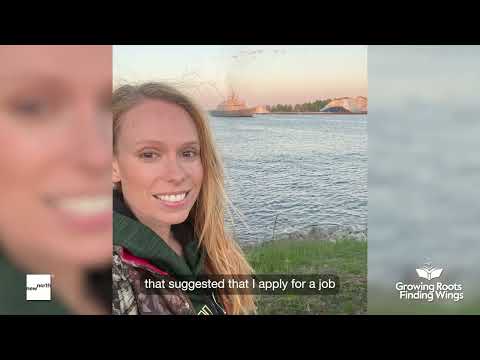
Bethany Skorik, the director of strategic communications and public affairs for Fincantieri Marine Group, is a strong believer in the value of education. She earned her bachelor’s degrees in international relations and political science from St. Norbert College in De Pere and received a certificate in organizational leadership from Harvard Business School Online. |
 Bethany Skorik, Director of Strategic Communications & Public Affairs, Fincantieri Marine Group |
Question: How does your education help you in your job?
Skorik: My job is telling the story of our shipyards, and I wouldn’t be able to do that without my education. My majors at St. Norbert were very writing intensive, which is helpful in what I’m doing now. The organizational leadership program helped me better understand how organizations work, which is valuable when you’re in communications. I learned about putting together and delivering presentations, which is something I do a lot of. It’s gaining that confidence in your abilities. I also learned a lot about policymaking at St. Norbert and through internships, which helps me when dealing with some of our governmental relationships.
Question: Why is post-secondary education or training so essential?
Skorik: You need to learn the skills of how to do a job, whether it’s a technical trade like welding or accounting principles if you’re working in finance. You don’t receive that in high school. You need to seek additional education and training to gain those skills.
It’s not just about what you learn, but how you learn. When you’re in person in a classroom, you hear other people’s questions and get feedback from professors, which expands your knowledge. You learn how to speak in front of a group and how to put presentations together. It’s also about meeting different people and being involved in different groups. You get to hone in on your skills and learn how to be a good employee.
Question: What are some ways Fincantieri works with local colleges and universities?
Skorik: We’re always hiring so we have close relationships with post-secondary schools. Fincantieri also hires students with some background in the trades and provides them with training while they work. When people hear “shipyard,” they think about trades, which is true, but we also hire for office jobs in HR, finance and engineering. We have between 20 and 40 interns across our three shipyards. We work with University of Wisconsin campuses and the University of Michigan.
We also work closely with Northeast Wisconsin Technical College. They have a training center a half-block from our Marinette shipyard. We have students go through training right there to prepare them for jobs at the shipyard. We’ve worked with Northeast Wisconsin Technical College on developing a marine welding program. Our relationships are invaluable.
Question: How does Fincantieri Marine Group benefit from its relationship with New North?
Skorik: We’ve been a part of New North for more than a decade. We’ve benefited by forming relationships with 300 suppliers. We’ve also been helped by its recruiting programs and use their different recruiting videos on our own website to help attract talent. New North has put Northeast Wisconsin on the map.