Career Readiness Starts Before College
How summer institutes help teens explore careers and build real-world skills
For many high school students, “college and career” can feel like a distant headline—something discussed in advising meetings and classroom presentations, but hard to picture day-to-day. Pre‑college summer programs can make that future more concrete by letting students try college-level learning, practice independence, and see how interests connect to real careers.
One option students consider is a pre‑college summer institute: a short, structured program—often residential—that blends academic exploration with career readiness. Programs vary by school and location, but many include college-style classes, collaborative projects, and time with instructors and guest speakers. For example, Lawrence University’s Ascent Summer Institute offers a one-week or day experience for rising 9th–12th graders designed around hands-on learning, teamwork, and communication.
What Students Do in Career-Readiness Summer Programs
The best programs are built around a simple idea: give students room to explore before they feel pressure to pick a major or career path. By trying different topics and ways of learning, students can figure out what energizes them—and what doesn’t—so future academic and career decisions are based on experience rather than guesswork.
Instead of a schedule dominated by long lectures or test prep, students spend mornings in focused class sessions and afternoons in discussion, group work, and project-based activities. Living on campus adds another layer of learning: students manage their time, navigate a new environment, and practice the independence that will be expected in college and the workplace.
Just as important, students practice speaking up: asking questions, sharing ideas, and explaining their thinking to peers. Those communication habits—listening, contributing, and collaborating—are foundational skills that transfer to any field.
Why Multidisciplinary Learning Shows Up in Career Preparation
Work rarely fits neatly into one subject area. A healthcare problem might involve data, ethics, communication, and design. A business challenge might require storytelling, math, and technology. Multidisciplinary programs let students practice connecting ideas across fields—building the kind of flexible thinking colleges and employers look for.
That structure also reflects how teams operate beyond school: people with different strengths working together toward a shared goal. Students learn that collaboration isn’t extra—it’s often the way work gets done.
For students who feel unsure about what to study—or who have many interests—this kind of exposure can help them name patterns in what they enjoy and the skills they want to build next.
Common Program Formats (and What They Teach)
Summer institutes often take different forms depending on student interests. Here are a few common formats—and the career-ready skills students typically practice in each:
- Exploration seminars: discussion-heavy classes that build curiosity, note-taking, and the confidence to ask good questions.
- Problem-solving labs: teams work through real or simulated challenges, practicing analysis, iteration, and clear decision-making.
- Hands-on studios: students design, build, test, and refine—strengthening resilience, creativity, and attention to detail.
- Leadership and communication tracks: students present ideas, give and receive feedback, and learn how to collaborate across different working styles.
Across all pathways, students practice transferable skills they’ll use in college and beyond: managing time and priorities, collaborating with different personalities, giving and receiving feedback, and presenting ideas clearly.
What to Look for: Mentorship and Learning by Doing
When students are deciding among programs, it helps to look for strong mentorship: instructors who work with students in small groups, invite questions, and give actionable feedback. The goal isn’t just to “cover material,” but to help students learn how to learn—an advantage that carries into college courses, internships, and first jobs.
Because classes are discussion-based, students practice the kind of academic communication that often feels new at first: contributing to conversations, explaining evidence, and revising their thinking when they encounter new perspectives.
Guest speakers and applied projects help students connect classroom ideas to the world beyond campus. Hearing how professionals use research, design, data, writing, or performance in their work can make career paths feel more visible—especially for students who are still exploring what “a job in this field” might actually look like.
Career Readiness Starts with Exploration—and Practice
Career readiness doesn’t mean having a 10‑year plan at 16. More often, it means building a toolkit: learning how to approach unfamiliar problems, communicate with others, and follow through on commitments.
During the institute, students test their interests, ask questions, and reflect on what they’re learning. Projects and conversations help them see how academic pathways can connect to fields such as healthcare, business, education, technology, public service, and the arts.
Students also practice skills that show up in every workplace: framing a problem, brainstorming options, dividing responsibilities, meeting deadlines, presenting solutions, and adjusting based on feedback.
Confidence Built Through Real Practice
Students often leave with more than new content knowledge. They leave having practiced the habits that make new environments feel manageable.
They navigate a campus schedule, complete college-style assignments, collaborate with a team, and present what they’ve learned. Along the way, they experience productive challenge—figuring things out, revising their approach, and learning that strong communication is as important as having the “right” answer.
That experience can change how students approach the rest of high school and whatever comes next—helping them see themselves as capable learners who can adapt, contribute, and keep learning in real-world settings.
Why Early Exposure Can Matter
For students in Northeast Wisconsin (and beyond), early college exposure can make the path after graduation feel less mysterious. Seeing how college courses work—and how careers connect to skills like writing, teamwork, and problem solving—helps students make decisions with more context.
This can be especially helpful for students who may be the first in their family to consider college, or who are still sorting out how education can translate into future opportunities.
When students feel informed and supported, they’re better positioned to choose programs, majors, and experiences that align with their goals—and to advocate for themselves along the way.
How Students Can Use Summer Programs to Prepare
If you’re considering a career-readiness summer program, choose one that matches both your interests and the skills you want to strengthen. Look for opportunities to (1) explore a topic deeply, (2) work with a team, (3) practice presenting or writing, and (4) get feedback you can use.
Before enrolling, students and families can ask a few practical questions:
- What will students produce (a presentation, project, portfolio piece, reflection) by the end?
- How much time is spent in active learning (discussion, labs, projects) versus passive listening?
- Will students practice communication—presenting, writing, or facilitating teamwork?
- Who teaches and mentors students, and what does feedback look like?
- How does the program help students connect interests to career paths (panels, site visits, guest speakers, informational interviews)?
Example: Lawrence University’s Ascent Summer Institute is one model of this approach, combining academic exploration with projects and career-ready skill building. https://www.lawrence.edu/ascent
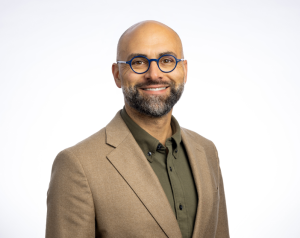
Trevor J. Lord
Assistant Vice President, Strategic Partnerships
Lawrence University